
In one session, a client stopped mid‑sentence, eyes down, breathing shallow. I felt the urge to ask another question, but something in the moment seemed important, so I stayed quiet, softened my breath, and waited. After a long—and a bit uncomfortable—pause, she whispered, “I’ve never said that out loud.” Silence had done what my questions could not—it acknowledged an insight and provided a moment of safety for something more meaningful to emerge. As coaches, our work with silence goes beyond simply waiting; it’s about sensing what’s happening in the quiet.
Each Wednesday, I’ll share a short reflection built around a single, powerful question — What if…? The What if question is one of the simplest yet most transformative tools in coaching. It opens curiosity, invites hope, and expands possibility — especially when someone feels stuck in patterns of overwhelm, fear, or emotional reactivity.

Finding the right trauma-informed coach training program can feel like a never-ending process. If you’re like me, you want to make an informed decision and pick the best program possible. But with so many options available, the process can quickly become overwhelming. As of writing this, ICF’s directory lists over 3,700 programs to sort through. Even narrowing your focus to mental well-being leaves you with just shy of 200 options. Simply put, the process of choosing is utterly exhausting.
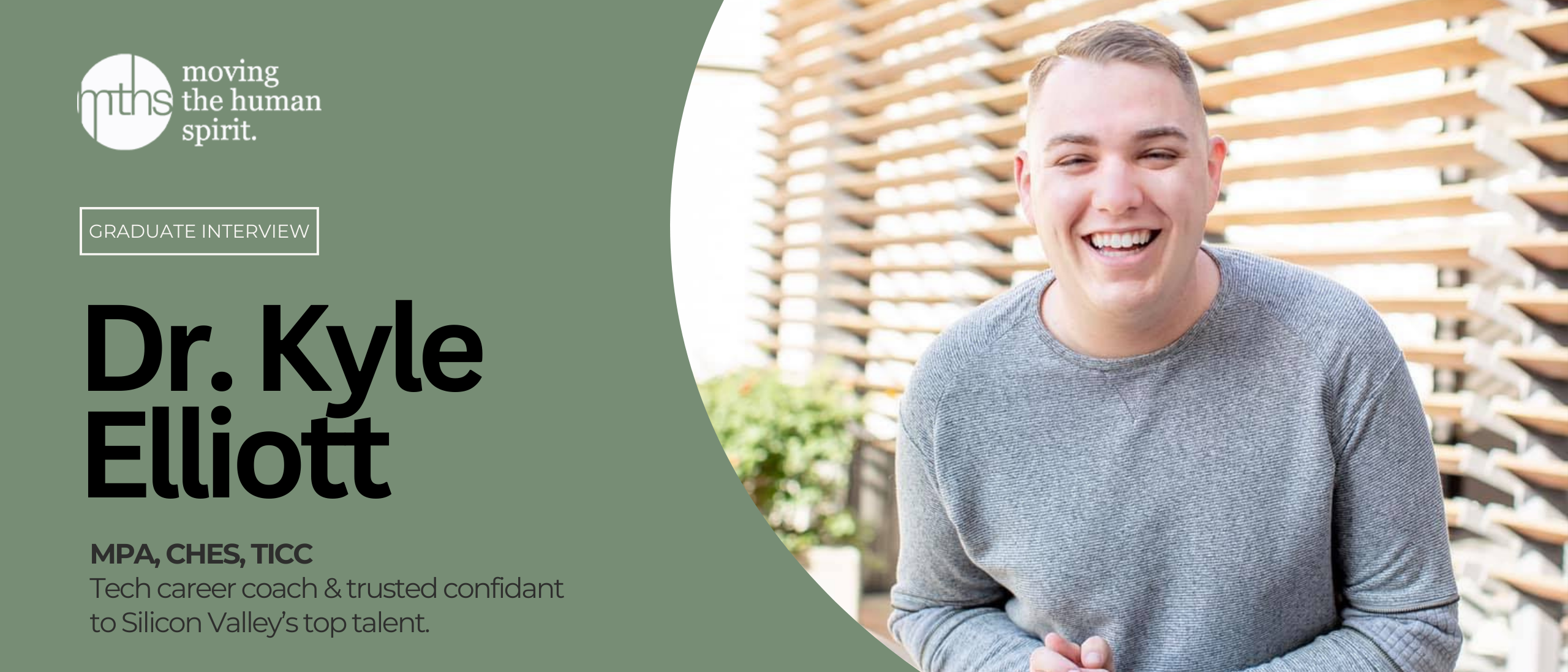
Dr. Kyle Elliott is a tech career coach & trusted confidant to Silicon Valley’s top talent. He has been featured in Business Insider, CNBC, CNN, Entrepreneur, Fast Company, Forbes, Fortune, Glassdoor, Harvard Business Review, The Muse, and The New York Times, among dozens of other leading publications.
Blogmthsadmin2024-06-13T17:32:47-07:00
Latest articles about Trauma Informed Coaching