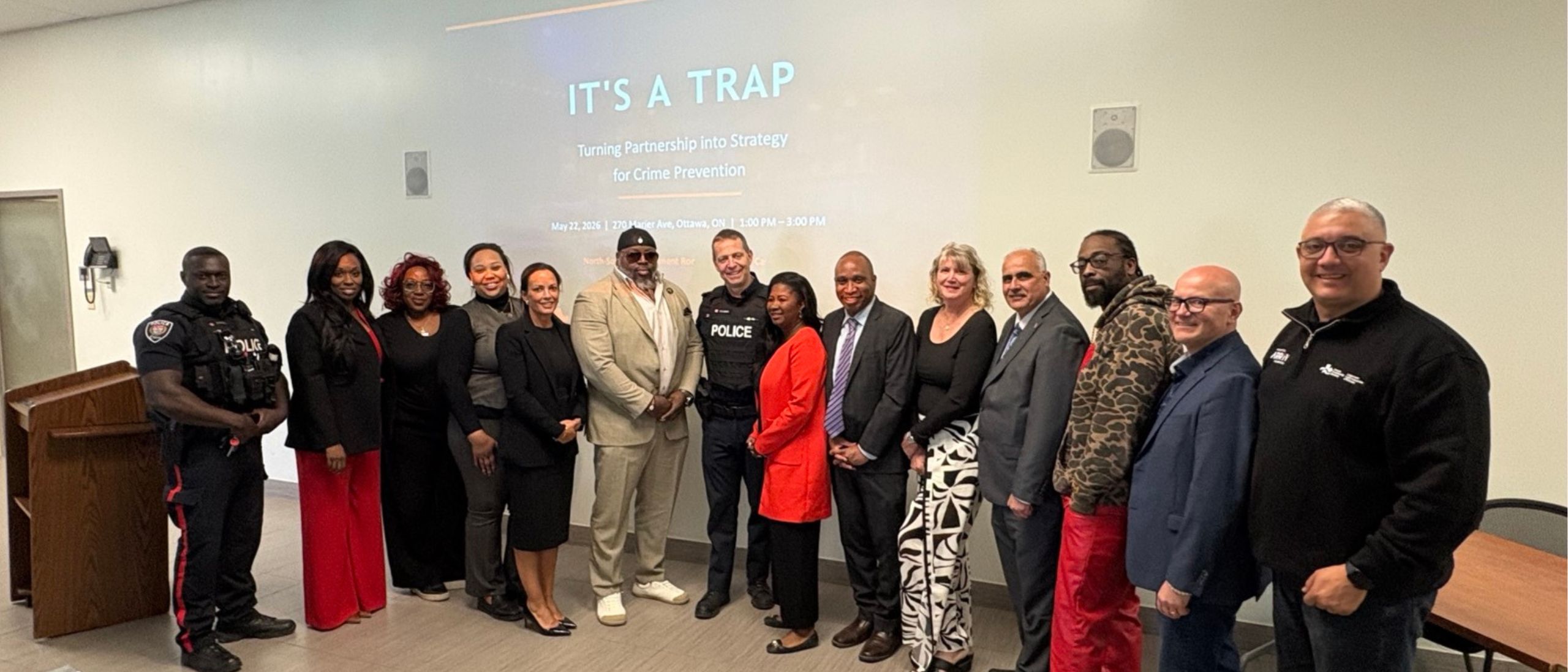
There are moments in community work that remind us why trauma-informed practice matters. Recently, I had the privilege of working alongside Ketcia Peters and supporting the continued growth of the It’s A Trap program, an initiative recognized by CTV News and The Ottawa Citizen for its work with youth, families, schools, and community partners. The program speaks directly to young people about the realities of gang recruitment, sexual exploitation, online grooming, addiction, and the many pressures youth are navigating in today’s world.

“Everything comes to us that belongs to us if we create the capacity to receive it.” — Rabindranath Tagore A Final Reflection on Capacity. What is my capacity, and how do I cultivate it so I can be present with what matters most to me? Over the past several weeks in the What If Wednesday™ reflections, I have been exploring a question that feels increasingly relevant in our culture and deeply meaningful in trauma-informed coaching practice:
As I have been writing about capacity, pressure, presence, agency, and resonance, I keep arriving at a meaningful and relevant question beneath them all. What if we became comfortable with the idea of enough? Being, doing, and having “enough”. One of the hardest challenges in our society and culture is the constant need, drive, expectation, and demand for “more”. As a result, we are always asking our nervous system for more, and our nervous system isn't designed for the constant pressure of “moreness,” so how do we counterbalance this? What if we valued “enough” instead?
As I have been exploring this whole idea of capacity, a question that emerges for me is: how do we sustain capacity in a high-demand world that is always asking for more, built on production and doing, rather than presence and being? I don’t have a single answer to the question of how we sustain capacity over time, but I believe the question itself is important and really matters.
Blogmthsadmin2024-06-13T17:32:47-07:00
Latest articles about Trauma Informed Coaching